
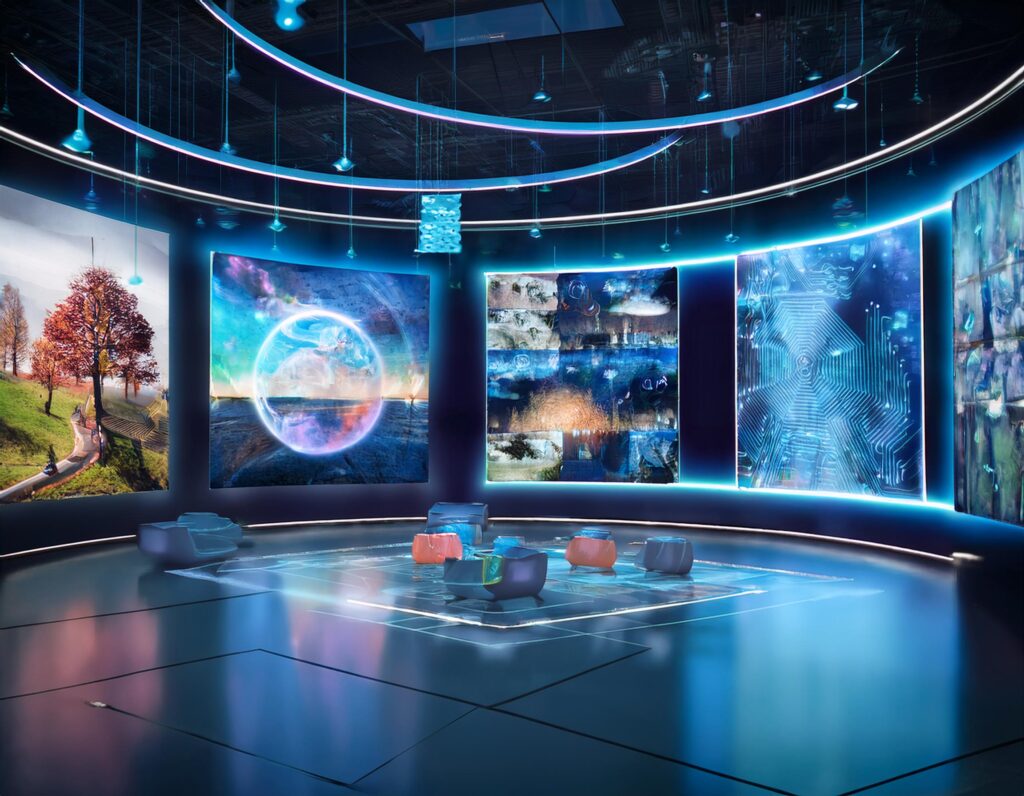
NFT Marketplaces: Revolutionizing the Future of Digital Assets
In recent years, the rise of Non-Fungible Tokens (NFTs) has transformed the landscape of digital ownership, offering innovative solutions for artists, collectors, and investors alike. NFT marketplaces serve as vital platforms enabling this transformation by facilitating the buying, selling, and trading of these unique digital assets. As we delve into the nuances of NFT marketplaces, we will explore their benefits, challenges, and future potential in the world of digital assets.
Understanding NFTs: A New Era for Digital Ownership
Non-Fungible Tokens (NFTs) are digital assets that represent ownership or proof of authenticity of a unique item or piece of content on the blockchain. Unlike cryptocurrencies such as Bitcoin or Ethereum, which are fungible and can be exchanged for one another, NFTs hold distinct values and characteristics, making them ideal for representing digital art, collectibles, music, and more.
The revolutionary aspect of NFTs lies in their ability to provide verifiable proof of ownership and provenance, which has historically been a challenge in the digital world. By leveraging blockchain technology, NFTs ensure that every transaction is recorded immutably, allowing creators to establish a direct connection with their audience.
Furthermore, NFTs transcend the limitations of physical assets by enabling digital forms of expression to flourish. Artists can create, sell, and distribute their work without relying on traditional gatekeepers such as galleries and auction houses. This shift empowers creators and opens up a new realm of possibilities for digital ownership.
In addition to art, NFTs have found applications in various sectors, including gaming, music, and virtual real estate. As more industries begin to embrace this technology, it signifies a broader acceptance of digital ownership and its integration into everyday life.
Ultimately, NFTs represent a paradigm shift; they redefine how we perceive ownership in the digital age. Understanding NFTs is the first step in navigating the rapidly evolving ecosystem of digital assets and their marketplaces.
The Rise of NFT Marketplaces: Fostering Creativity and Innovation
As the demand for NFTs has surged, the emergence of dedicated NFT marketplaces has played a crucial role in supporting this trend. These platforms allow users to showcase their digital creations, reach potential buyers, and engage with a global audience, thereby fostering creativity and innovation within the digital art space.
Leading marketplaces like OpenSea, Rarible, and Foundation have not only facilitated transactions but have also transformed the way artists and collectors interact with digital art. They provide secure environments with built-in wallets and features that make discovering and purchasing NFTs seamless and user-friendly.
The rise of NFT marketplaces has also sparked a wave of new creative endeavors. Artists are experimenting with different forms of digital art, including 3D renderings, animations, and interactive experiences. This experimentation has led to an exciting ecosystem where creators can push boundaries and explore what it means to be an artist in the digital realm.
Moreover, the accessibility of NFT marketplaces allows anyone to become a creator, leveling the playing field. This democratization of art means that diverse voices and perspectives can shine through, enriching the cultural fabric of the digital asset space.
In effect, NFT marketplaces are not just transactional spaces; they are incubators of creativity and innovation, driving the evolution of digital art and paving the way for a future where artists can thrive in ways that were previously unimaginable.
Benefits of NFT Marketplaces: Empowering Artists and Collectors Alike
NFT marketplaces offer a myriad of benefits for both artists and collectors, creating a win-win situation in the realm of digital assets. First and foremost, artists gain direct access to their audience and the ability to sell their work without intermediaries, leading to higher profit margins.
Another significant advantage lies in the concept of royalties. Many NFT marketplaces incorporate smart contract functionalities, allowing artists to earn royalties on secondary sales. This ensures that creators continue to benefit from their work long after the initial sale, providing them with a sustainable income stream.
For collectors, NFT marketplaces present a unique opportunity to invest in digital assets that have the potential to appreciate over time. The transparency of the blockchain means that collectors can verify the authenticity and provenance of their purchases, minimizing risks associated with counterfeiting.
Additionally, NFT marketplaces encourage community engagement among both creators and collectors. Many platforms feature social interaction tools, allowing users to follow artists, participate in discussions, or join virtual events, creating a sense of belonging in the digital art ecosystem.
Ultimately, NFT marketplaces empower all participants in the ecosystem. By facilitating direct transactions, enabling ongoing earnings for artists, and providing collectors with confidence in their investments, they are transforming the dynamics of the art world.
Challenges Ahead: Navigating the Hurdles in the NFT Ecosystem
Despite the promising future of NFT marketplaces, several challenges must be addressed to ensure the long-term sustainability and growth of the ecosystem. One of the most pressing issues is environmental concerns related to blockchain technology, particularly for those using proof-of-work systems. The high energy consumption of mining and transaction validation has led to criticism regarding the environmental impact of NFTs.
Furthermore, the rapid proliferation of NFTs has resulted in concerns about copyright infringement and ownership rights. As the digital landscape expands, it becomes increasingly difficult to establish clear boundaries and protect intellectual property. Many artists face the risk of having their work tokenized and sold without permission, posing dilemmas regarding accountability.
The volatility of the NFT market is another challenge for both creators and collectors. While some NFTs have sold for exceptionally high prices, the market can be unpredictable, leaving many participants concerned about potential losses. Ensuring stable valuations within the marketplace is crucial for attracting a broader audience.
Additionally, as NFT marketplaces continue to grow, so does competition among platforms. Differentiating services, maintaining user trust, and ensuring security against hacks and fraud are vital to the sustainability of individual marketplaces and the ecosystem as a whole.
Addressing these challenges requires collaboration among artists, developers, regulators, and the community to establish standards, practices, and policies that prioritize environmental responsibility, intellectual property rights, and market stability. Only through collective effort can the NFT ecosystem continue to thrive.
Looking Ahead: How NFT Marketplaces Will Shape the Future of Digital Assets
As we look to the future, NFT marketplaces hold significant potential to shape the landscape of digital assets in transformative ways. One major avenue is the integration of virtual reality (VR) and augmented reality (AR), which could revolutionize how digital assets are experienced. Imagine walking through a virtual gallery showcasing NFTs or trying on digital fashion items before purchase—the possibilities are endless.
Moreover, the development of decentralized marketplaces can enhance the user experience by reducing reliance on centralized platforms. This shift could align with the growing demand for privacy and control over personal data, creating a more user-centric ecosystem.
Cross-chain compatibility is another emerging trend that will likely influence the future of NFT marketplaces. As different blockchain networks develop, enabling seamless transfer and trading of NFTs across chains could open up vast opportunities for collectors and creators, expanding the market significantly.
Additionally, as education and awareness about NFTs continue to grow, we can expect an influx of traditional artists and creators entering the space. This diversification will enrich the digital art scene, offering collectors an even broader range of styles and genres to explore.
NFT marketplaces are poised to propel the evolution of digital assets into uncharted territory. By overcoming current challenges and embracing innovative technologies, they will play a pivotal role in redefining ownership and creativity in our increasingly digital world.