
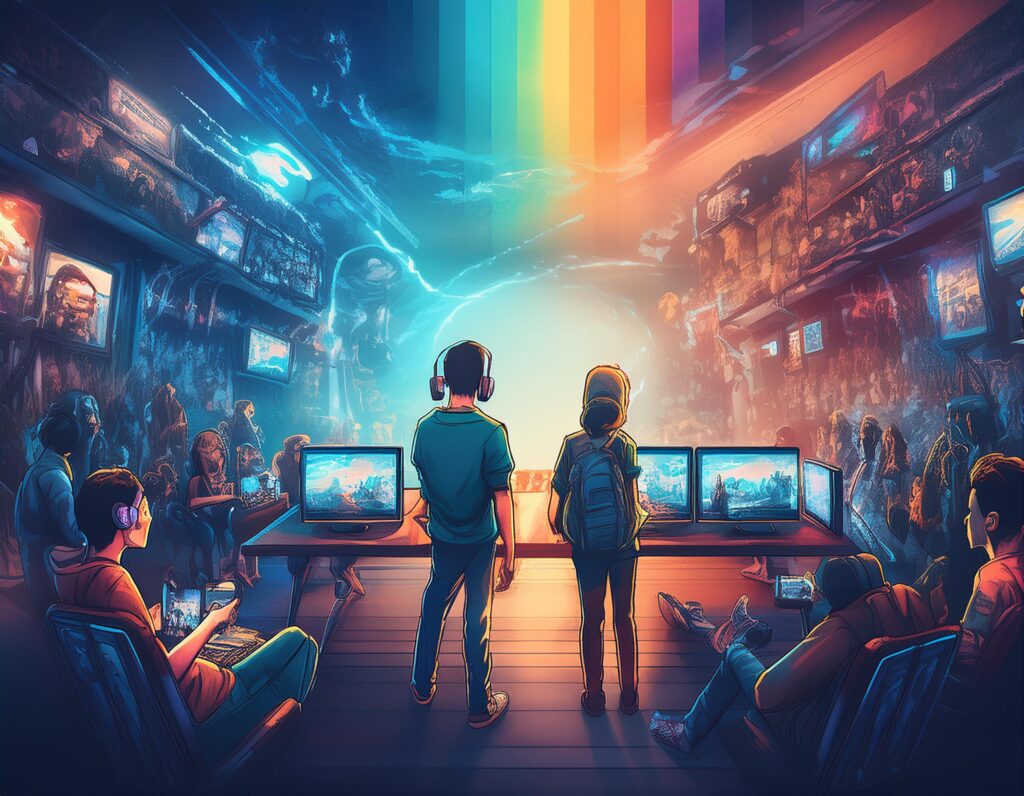
Crafting Belonging: Inclusive Gaming Communities vs. Real Life
In an age of digital connection, gaming communities have emerged as unique spaces where individuals can forge bonds, regardless of their geographical location or personal background. While real-life communities can often be riddled with barriers and social challenges, online gaming offers a refreshing alternative for connection, collaboration, and understanding. This article explores the nuances of belonging within gaming spaces and draws comparisons to real-life dynamics, providing insights into how we can create more inclusive environments both online and offline.
The Virtual Landscape: How Gaming Communities Create Spaces for Connection
Gaming communities often serve as vibrant microcosms of society, where individuals from various backgrounds come together with a common purpose: play. Unlike many real-life interactions, where social hierarchies can overshadow authenticity, gaming allows players to adopt avatars that may not reflect their real-life identities. This anonymity can dissolve preconceived notions, creating a space where connection is based more on skills and fellowship rather than status.
Many games incorporate communication tools that foster dialogue among players. Voice chats, forums, and multiplayer features encourage players to collaborate, strategize, and share experiences. These elements cultivate a sense of camaraderie, which can feel scarce in the real world. For instance, non-competitive games like “Animal Crossing” emphasize community building and shared goals, reinforcing bonds that linger beyond the gaming session.
In addition to fostering connection, gaming communities often create a sense of belonging through their intricate narratives and immersive environments. Players become part of a shared story, one that they contribute to alongside peers. This narrative-driven aspect draws players into collective experiences that foster deeper connections, transcending mere transactional interactions.
Online platforms such as Discord have revolutionized how gamers interact, offering endless opportunities for personal connection. These platforms serve as hubs for sharing information, experiences, and resources, reinforcing the feeling of inclusion and support. Through these tools, gamers can maintain relationships, celebrate milestones, and provide emotional support even when separated by distances.
Moreover, multiplayer games frequently employ cooperative gameplay mechanics, which require players to work together to achieve common objectives. This collaboration fosters positive social dynamics, allowing for skill-sharing and mutual encouragement, essential ingredients for nurturing belonging.
Unpacking Inclusivity: What Makes Gaming Communities Unique?
While inclusivity is a hallmark of many communities, gaming spaces often execute it with unique flair. One of the most significant contributors to this inclusivity is the diversity of characters and narratives found in games. Many contemporary games offer inclusive character creation options, allowing players to express their identities within the game, from gender to ethnicity. This allows gamers to see themselves represented in the space they inhabit.
Additionally, gaming communities often have diverse membership bases that cross cultural, linguistic, and geographical boundaries. Players interact with others from different backgrounds, age groups, and walks of life, fostering a rich tapestry of perspectives. This diversity can spur conversations that challenge stereotypes and promote empathy, a rare opportunity in many real-life interactions.
The cultures that arise in various gaming spaces often promote acceptance and understanding. Recognition of different playstyles, communication preferences, and levels of experience encourages players to be more understanding and accommodating of one another. This layered understanding fosters an environment where mistakes are simply seen as opportunities for growth and learning, rather than a cause for social isolation.
Gaming platforms and developers are increasingly aware of the need for safe spaces. Many have adopted strict community guidelines and moderation to protect players from harassment, creating a foundation for positive interaction. This proactive approach serves as a model for real-life interactions, showcasing the importance of established norms in fostering inclusivity.
Furthermore, community-driven initiatives within gaming often challenge discrimination and bias. Events like Pride Month celebrations or charity gaming marathons actively involve players in advocating for equal rights and raising awareness, reinforcing the idea that the gaming space can also be a platform for real-world change.
Real Life vs. Screen Life: Navigating Social Dynamics in Both Realms
When comparing real-life interactions with those in gaming communities, one pervasive difference is the immediacy of connection felt online. In gaming, users can find common ground instantly, as interactions are often devoid of the complexities of real-world social cues, enabling interpersonal connections to flourish more readily.
In contrast, the nuances of in-person communication can introduce barriers. Social anxiety, fear of judgment, and pre-existing biases can hinder people from forming new relationships outside of familiar circles. These barriers can be particularly daunting for marginalized individuals, making it hard to find a sense of belonging in their local communities.
Yet, both realms bear their unique challenges. Toxic behaviors sometimes surface in gaming, such as trolling and exclusionary practices, which can undermine the community’s inclusive intentions. It calls for a deeper reflection on the need for cultivating healthy online interactions that reflect respect and understanding akin to what we desire in real life.
Moreover, the transient nature of online friendships can evoke feelings of emptiness. Gamers may encounter casual acquaintances who drift away once the game is completed. This fleeting connection can sometimes leave players longing for genuine relationships, akin to those formed in real life where bonds are nurtured over time.
However, both online and offline spaces can offer chances for growth and meaningful interactions. Being aware of each realm’s unique dynamics allows individuals to navigate their social worlds more adeptly, incorporating lessons learned from one into the other to create a more fulfilling experience in both.
Building Bridges: Lessons from Gaming Communities for Real-Life Inclusion
The inclusive frameworks established in gaming communities hold valuable lessons for real-world integration initiatives. First, we can learn about active participation in co-creating environments where everyone feels welcomed. By involving diverse voices in community-building efforts—much like collaborative gameplay—we can ensure that all perspectives are considered and valued.
Real communities can adopt gaming strategies by employing interactive technology. Creating online forums, social media groups, or workshops can replicate the collaborative spirit found in gaming. This approach promotes sharing and enables participants to engage more effectively, thus enhancing their sense of belonging.
Moreover, the importance of clear guidelines cannot be overstated. Just as gaming communities outline standards of conduct to promote respectful interactions, offline spaces similarly benefit from explicit codes of behavior that establish norms for engagement. This clarity helps mitigate conflict and ensure an inclusive environment for all.
Another lesson is the celebration of diversity. By sharing stories and information that highlight different cultures and identities—whether through community events, art, or media—real-life communities can foster understanding and reinforce connections, similar to how diverse narratives in games promote empathy and awareness among players.
Ultimately, embracing imperfections within social interactions can alleviate the fear of judgment in both gaming and real life. Encouraging a culture that recognizes mistakes as opportunities for learning fosters a supportive atmosphere where individuals feel empowered to explore connections without fear.
Finding Your Tribe: Making Meaningful Connections in Pixels and Reality
Finding a sense of belonging—whether in a virtual realm or real life—substantially enhances our well-being. Online gaming provides a robust framework for seeking and engaging with communities that resonate. Technique-wise, players can immerse themselves in communities that share their values and passions, from competitive gaming clans to inclusive, casual gaming circles.
In real life, these principles translate into proactively seeking out groups or activities that align with personal interests. Understanding that it’s okay to step outside of one’s comfort zone ultimately fosters incredible connections and opportunities for growth. Joining clubs, attending events, or participating in local group activities can all open pathways to new friendships.
Furthermore, as players carve out their identities in gaming spaces, real-life interactions can similarly benefit from embracing individuality. Sharing one’s passions or stories can spark deeper conversations and connections that are often sidelined in initial encounters. This authenticity deepens relationships and allows others to connect on a more meaningful level.
Creating an environment of openness is crucial in both realms. Encouraging dialogue and being approachable can help break down barriers in real-life interactions. Holding space for varied experiences—much like the acceptance found in gaming—fosters a community where everyone feels free to express themselves.
Ultimately, both the online and offline world can empower individuals to find their tribe. By practicing empathy, prioritizing inclusion, and leveraging tools from gaming to bridge gaps, we can enrich our social landscapes, crafting spaces where everyone has the opportunity to belong.
Conclusion
The intersection of gaming and real-life communities highlights both the challenges and opportunities for crafting belonging. While gaming communities are often marked by their ability to foster inclusivity and connection, real-life spaces can benefit greatly from adopting similar principles. By focusing on active participation, embracing diversity, and being intentional about creating safe and supportive environments, we can begin to see shifts that lead to enhanced social dynamics in our daily lives. The lessons learned in gaming offer a roadmap for those seeking meaningful connections both in pixels and reality, reminding us that belonging is something to be cultivated together.